Why parents come first
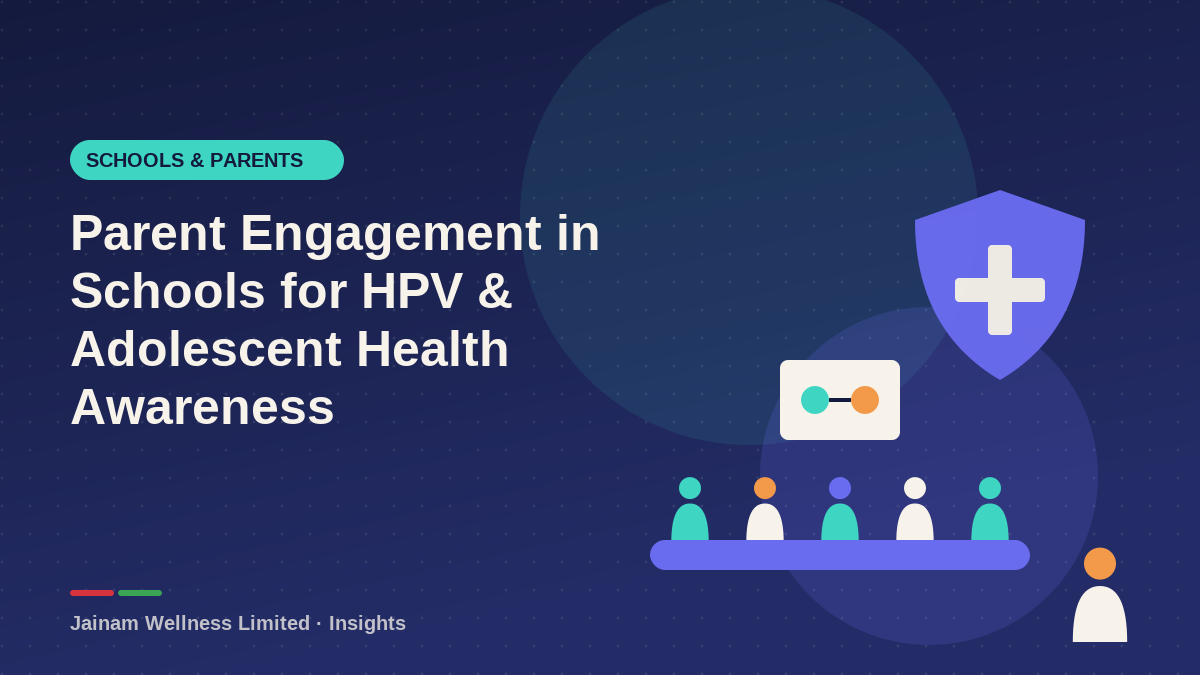
Decisions about adolescent vaccination are made by parents with their doctor. An HPV awareness programme in a school therefore works best as a parent awareness program: an evening or PTM session where a gynaecologist or paediatrician explains HPV, the cancers it is linked to and how prevention works.
Students may receive age-appropriate, school-approved health education, but never product messaging.
Getting school approval
Principals need to know three things: the session is educational, it is delivered by a qualified doctor, and parents are informed in advance. Share the approved content, speaker credentials and a draft parent circular with the school management before asking for a date.
What the session should cover
Keep it simple: what HPV is, how common it is, who is at risk, what prevention options exist and where families can seek medical advice. Encourage questions and make it clear that decisions are personal and should be made with a doctor.
What to avoid
Do not name or display prescription vaccine brands to parents or students, collect student data for sponsors, or offer incentives for attendance. Any vaccination drive must be separate, consented and run by licensed providers where authorised.
Measuring impact responsibly
Use anonymous pre- and post-session questions to measure understanding, count attendance against invitations and collect school feedback. These signals show where the programme should scale.
Planning school health awareness programmes for parents
Schools and brands putting "HPV awareness in schools: a parent-first guide for India" into practice can work with Jainam Wellness Limited on school-approved, consent-first parent and student sessions on HPV, nutrition and oral health — educational only, with no product promotion to minors.
General information for healthcare marketing professionals; not medical, legal or regulatory advice. Wellness information is not a diagnosis. Your medical, legal and compliance teams approve every programme.